Benefits of Gymnastic Exercises: From Office to Therapy
In our increasingly sedentary world, the importance of movement for overall well-being cannot be overstated. While many might associate "gymnastic exercises" solely with competitive acrobatics, the scope of these movements is far broader, offering a wealth of physical and mental benefits applicable to everyone. Tracing back to its origins, the concept of targeted physical routines is encapsulated in the German term Gymnastische Übung Englisch, which directly translates to "gymnastic exercise" or "gymnastics exercise." This simple phrase opens the door to a world of drills, routines, and practices designed to enhance our bodies and minds, regardless of age or fitness level. From improving daily performance in an office setting to playing a crucial role in rehabilitation and therapy, the benefits are profound and diverse.
What Exactly Are "Gymnastic Exercises"? (And Why the Term "Gymnastische Übung Englisch" Matters)
The term Gymnastische Übung Englisch is more than just a direct translation; it underscores a fundamental approach to physical conditioning. In essence, gymnastic exercises encompass a wide range of bodyweight movements, stretches, and routines that focus on developing strength, flexibility, balance, coordination, and agility. Unlike heavy weightlifting or endurance running, the emphasis is often on controlled, fluid movements that engage multiple muscle groups simultaneously.
When we refer to "Übungen" in this context, we're talking about more than just a single stretch. It implies a structured routine, a series of practices or drills designed to achieve specific physical outcomes. This can range from simple stretching exercises performed before and after a meal to more complex sequences aimed at correcting posture or building specific muscle groups. The beauty of gymnastic exercises lies in their versatility and accessibility, requiring little to no equipment.
Understanding the nuances of these terms helps us appreciate the broad applicability of such practices. For a deeper dive into the linguistic aspects and various interpretations, you might find this article insightful: German to English: Understanding "Gymnastische Übungen".
The Core Benefits for Physical Health
The systematic application of gymnastic exercises yields a multitude of physical advantages, impacting everything from joint health to cardiovascular function.
- Improved Flexibility and Mobility: One of the most immediate benefits is an increase in your body's range of motion. Gymnastic exercises, particularly those involving stretching and extension, help to lengthen muscles and improve joint articulation. This isn't just about being able to touch your toes; it's about reducing stiffness, preventing injuries, and enabling more comfortable movement in daily activities. Movements that sweep arms and legs through their full range of motion, as opposed to restrictive or "false" exercises like prolonged leg crossing that can put strain on joints, are key to fostering healthy mobility.
- Enhanced Strength and Endurance: While often associated with flexibility, gymnastic exercises are incredibly effective for building functional strength. By using your own body weight as resistance, these routines develop core stability, muscle endurance, and overall power. This goes beyond superficial muscle gain, building a robust physical foundation that supports daily tasks and more strenuous activities. Just as specific gymnastic vs. stretching exercises can be differentiated, both contribute to holistic strength.
- Better Circulation and Oxygenation: Regular physical activity, including gymnastic exercises, is crucial for supporting healthy blood circulation. Moving your body actively helps pump blood more efficiently, ensuring that oxygen and nutrients reach all tissues and organs, while waste products are removed effectively. Even short bursts of activity, such as a quick walk or a few minutes of targeted exercises, can significantly boost circulation, leading to increased energy levels and improved overall vitality.
- Posture Correction and Pain Relief: For many, modern life means prolonged periods of sitting or static positions, leading to poor posture, muscle imbalances, and chronic pain in the back, neck, and shoulders. Gymnastic exercises specifically target core strength and flexibility, helping to correct these imbalances. By strengthening weak areas and stretching tight ones, they can significantly reduce strain and alleviate discomfort, offering a natural pathway to better posture and lasting pain relief.
- Balance and Coordination: The intricate movements often found in gymnastic routines demand and develop exceptional balance and coordination. This not only enhances athletic performance but also reduces the risk of falls, a critical concern, especially as we age. Improving proprioception – your body's awareness in space – through these exercises can lead to greater confidence and agility in all aspects of life.
Beyond the Gym: Gymnastic Exercises in Daily Life (From Office to Active Aging)
The practical applications of gymnastic exercises extend far beyond a dedicated fitness session, integrating seamlessly into various aspects of our daily routines and therapeutic needs.
- For Office Workers and Sedentary Lifestyles: The modern office environment often necessitates long hours of sitting, leading to the aforementioned issues of poor posture and musculoskeletal strain. Incorporating short, targeted gymnastic exercises into your workday can be revolutionary. Imagine a quick 15-minute routine during a coffee break, much like the daily practice implemented in a 1928 training workshop. While research into ergonomically designed keyboards and gymnastic exercises for computer-related strain has shown preliminary, albeit weak, evidence, the anecdotal and logical benefits of these micro-breaks are undeniable. Simple stretches for the wrists, arms, shoulders, and neck can significantly reduce stiffness, improve circulation, and prevent the feeling of being "eingerostet" or rusty from lack of movement.
- Therapeutic Applications: Gymnastic exercises form a cornerstone of physical therapy and rehabilitation. From recovering after an injury to managing chronic conditions, these targeted movements can help restore function, reduce pain, and build resilience. Therapeutic stretching and extension exercises, specifically designed to address individual needs, are vital for regaining mobility and strength in a safe and controlled manner. Working with a professional to tailor these routines ensures maximum benefit and minimizes risk during recovery.
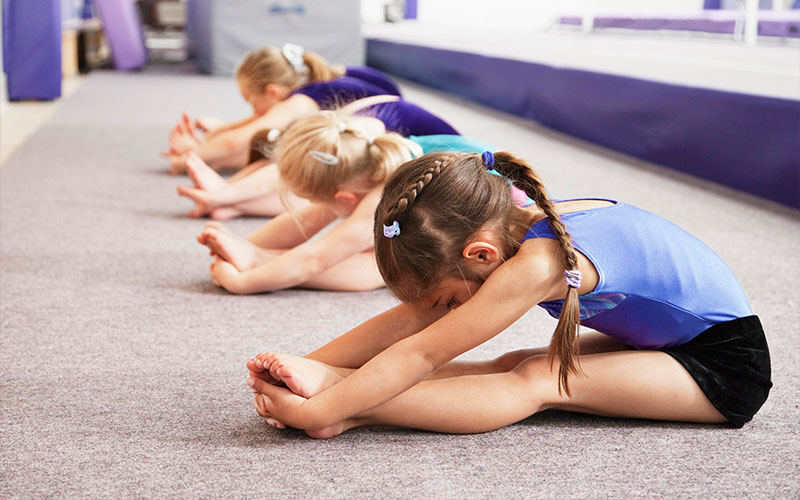
- Mental Well-being and Focus: The benefits aren't purely physical. Engaging in gymnastic exercises requires focus and mindfulness, pulling attention away from stressors and into the present moment. This can lead to reduced stress, improved mood, and enhanced cognitive function. Observing children performing active movements, as noted in one context, often sparks curiosity and interest, highlighting the engaging and mentally stimulating nature of physical activity. A focused routine can act as a meditative practice, clearing the mind and boosting concentration for tasks ahead.
- Active Aging: For older adults, maintaining an active lifestyle is paramount for independence and quality of life. Gymnastic exercises, adapted for varying levels of mobility, can help preserve joint flexibility, maintain muscle mass, improve balance, and reduce the risk of falls. By keeping the body agile and strong, these practices empower individuals to continue engaging in hobbies and daily activities with confidence and ease.
Integrating Gymnastic Exercises into Your Routine: Practical Tips
Making gymnastic exercises a consistent part of your life doesn't require a dramatic overhaul; small, consistent steps can lead to significant changes.
- Start Small, Be Consistent: Begin with just 5-10 minutes a day. The key is to "in Übung bleiben" – to stay in practice. Even short bursts of activity are more effective than infrequent, intense sessions.
- Listen to Your Body: Pay attention to what feels good and what doesn't. While some stretches might feel intense, pain is a signal to ease off. Consult a professional if you have pre-existing conditions or are unsure about proper form.
- Vary Your Routines: Incorporate different types of movements – dynamic stretches, static holds, balance drills, and bodyweight strength exercises – to target various aspects of your fitness.
- Utilize Breaks: Whether at work or home, use short breaks to perform a few stretches or simple movements. Stand up, roll your shoulders, stretch your arms overhead. Every little bit counts.
- Seek Guidance: Especially for therapeutic purposes or if you're new to exercise, consider consulting a physiotherapist, certified personal trainer, or a gymnastics instructor. They can provide personalized routines and ensure you're performing exercises correctly.
Conclusion
From the precise translation of Gymnastische Übung Englisch to its expansive real-world applications, gymnastic exercises stand as a testament to the power of movement. Their profound benefits extend far beyond physical prowess, encompassing enhanced mental clarity, improved posture, better circulation, and a robust defense against the sedentary challenges of modern life. Whether you're an office worker looking to alleviate daily strain, an athlete seeking performance enhancement, or someone on a path to recovery, integrating these versatile routines into your daily life can unlock a higher quality of living, fostering resilience, flexibility, and overall well-being. Embrace the movement, and experience the transformative power of gymnastic exercises for yourself.